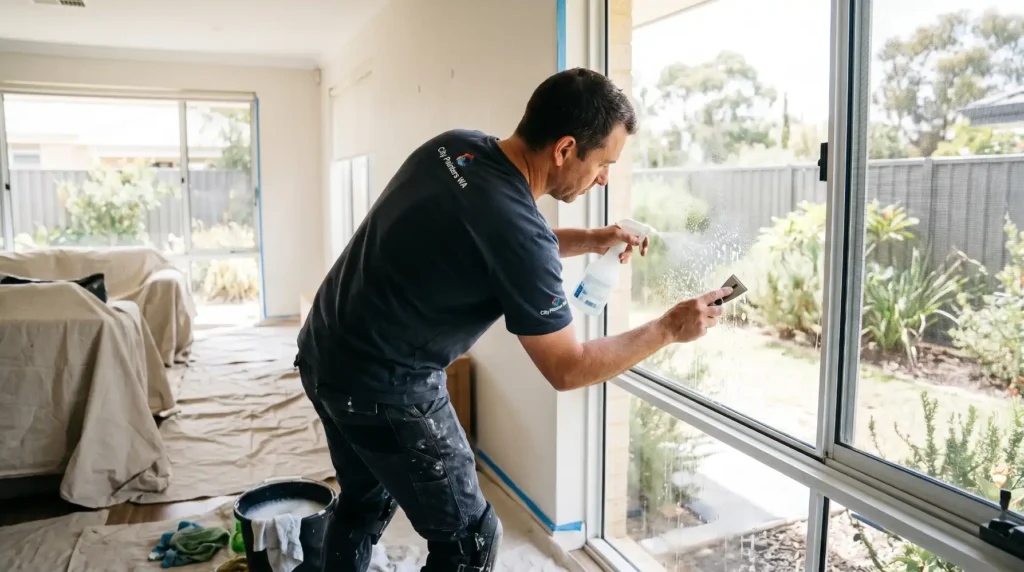
You are satisfied with the painting and have backed away to take it in. Then you notice a patch of cream on the carpet, a puddle of water on the tiles in the bathroom, and droplets of paint on the window glass.
The positive: Often, paint removal is simpler than it seems and can be done depending on the surface. To take paint from carpet, off tiles, or to remove paint from windows, use the least aggressive method possible.
Using the wrong paint remover can lead to staining, scratching, or removing the material beneath, which will make a little spill turn into an expensive repair job. Here are some examples of things we’d say to a neighbor in Perth and when it would be better to stop and ring a number.
Quick answer
- Act fast. Typical types of wet, water-based paint can be removed using warm soapy water. Any painted area that is dried must first be softened.
- Test first. Prior to treating a visible area, test any paint remover or methylated spirits on a hidden area.
- Match the way to the surface. All carpet, glazed tiles, natural stone, window and frame items have different reactions!
- Stop if unsure. A professional opinion is warranted on the value of wool carpet, limestone, tinted glass windows, and paint peeling off aging walls.
Paint Removal 101: determining what kind of paint you are removing
When it comes to DIYing, the majority of the projects will be filled with water-based Acrylic paint. Enamel is generally found on oil-based doors, trims, and window frames.
Quick test for you: Dampen a cotton ball with methylated spirits and apply it to a small area of dry paint. When paint becomes soft, it is most probably water-based. If it doesn’t bubble, it’s most likely oil-based and requires an oil-type paint remover.
A bit of information on older homes. Please be careful when removing paint that potentially contains older paint layers (as on the window frames). Even if you were unable to locate lead paint, homes built before the 1970s may have lead-based paint underneath. Avoid scraping or drying in older homes in Perth without first knowing what they contain.
How to Remove Paint From Carpet
The surface of carpet has the lowest tolerance for effort applied, so patience is more important than strength on this surface.
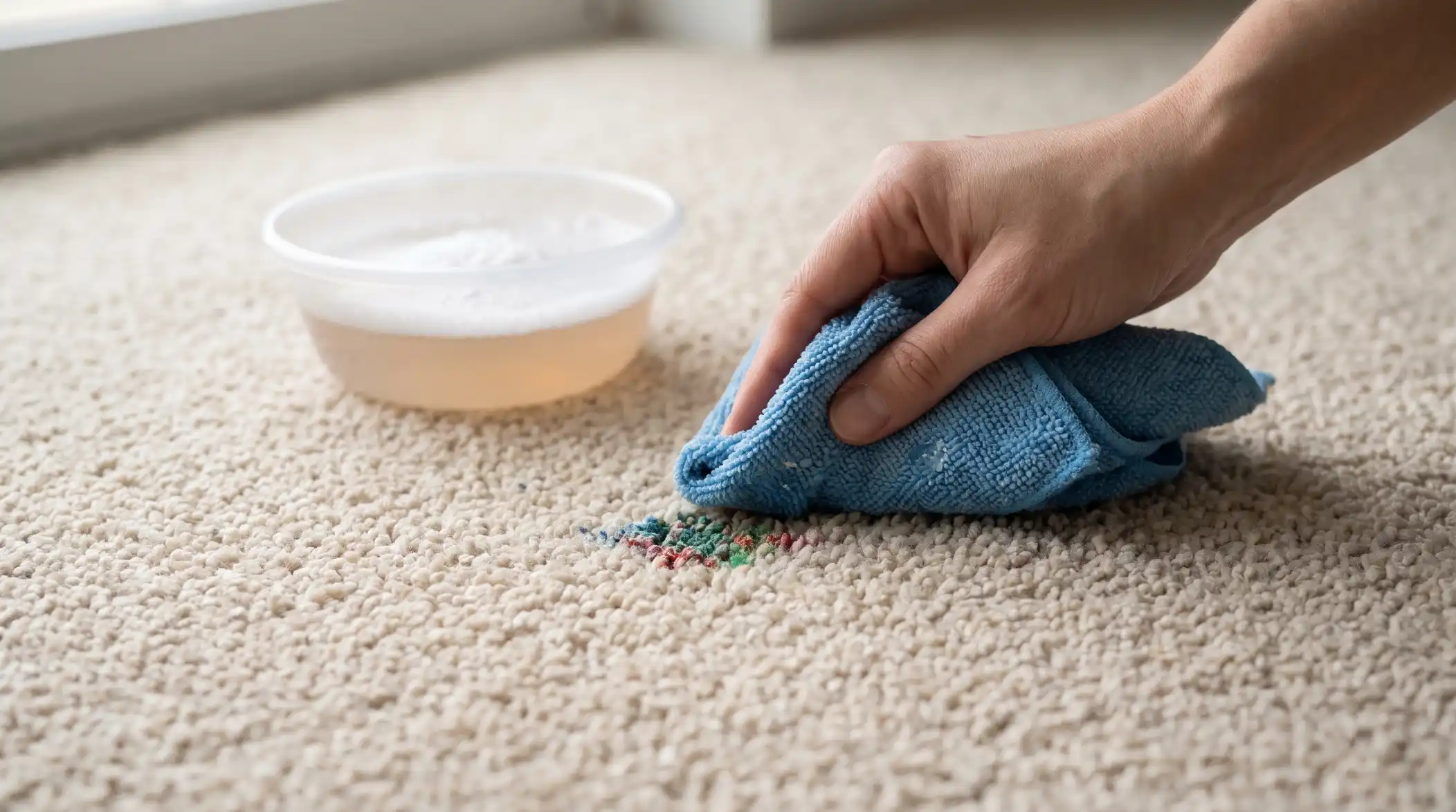
Wet paint
- Use a clean cloth to pat up as much as possible. Never rub, as it will force the paint to go deeper.
- Gently wipe down with a wet cloth and warm soapy water, from the outside to the inside of the spill.
- Rinse and blot dry with clean water.
Dried paint
Dampen the spot with paint remover or methylated spirits suitable for the type of paint and gently lift with a blunt edge and blot.
Do not use NAIL POLISH REMOVER or ACETONE on SYNTHETIC CARPET. It can break apart the fibers and leave a bald spot. If there’s a spill or paint that has an oil base, the best thing to do is hire a professional carpet cleaner to do the job because they have a better understanding of the equipment suitable for each situation
How to Get Paint Off Tiles
The correct technique is determined by the type of material the tile is produced from.
Glazed Ceramic & Porcelain
They are firm, yet chewy. Dip the paint in warm soap for 10 minutes and use a plastic scraper to remove the paint. Use a cloth with methylated spirits for recalcitrant spots.
Unglazed limestone and grout
These surfaces are porous, so paint absorbs into them. Acidic cleaners and several solvents can etch or stain limestone and travertine.
Use a soft brush and soapy water to clean first. When paint is stuck in grout or natural stone, seek expert help before opting for harsh chemicals.
How to Get Paint Off Windows
Glass
Wash the glass with a squirt of soapy water, hold a new razor blade scraper at a low angle, and move it over the glass in one direction. This lubricates the blade and reduces scratching of the object being cut, as the lubrication is provided by the soapy water.
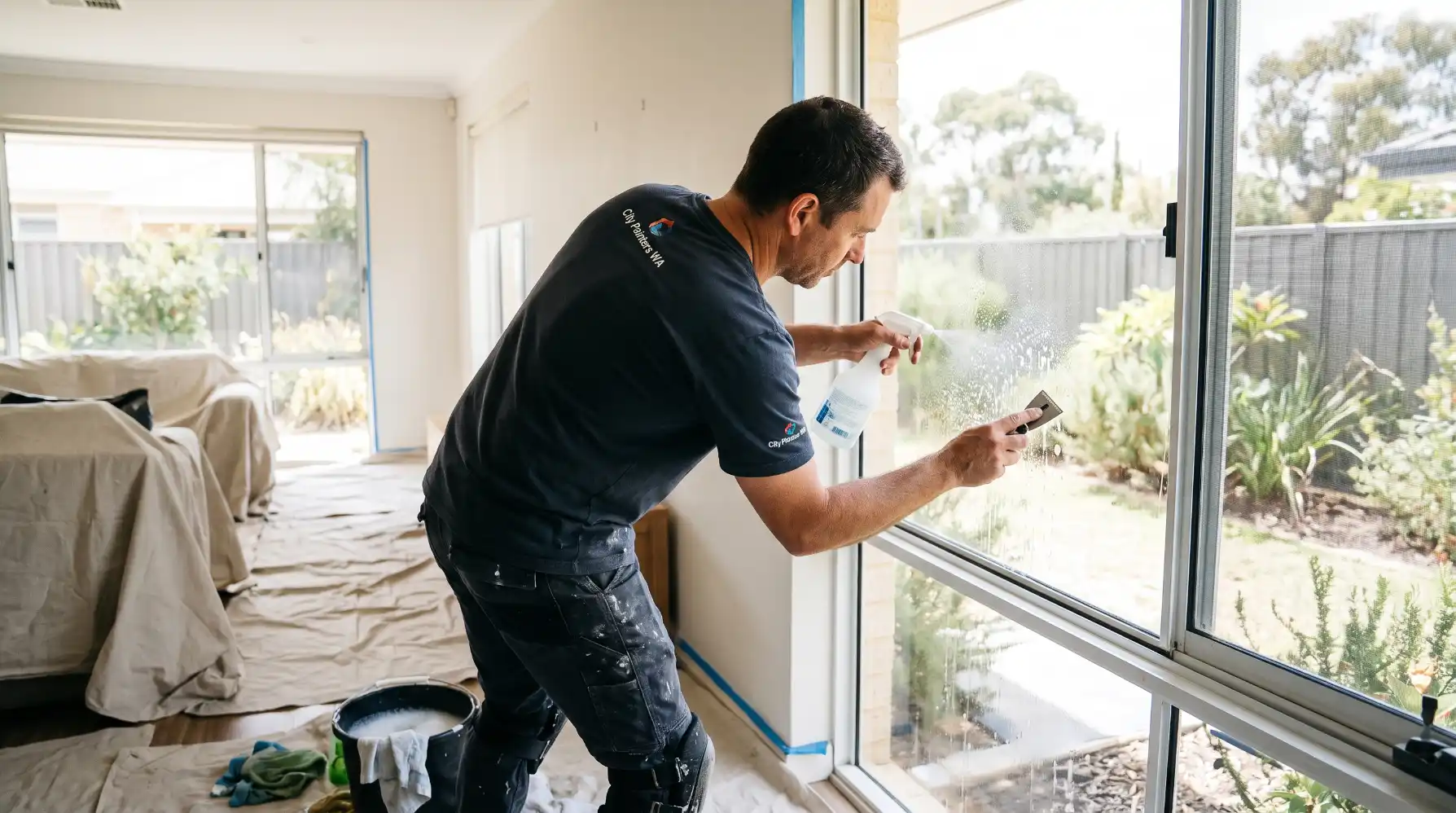
Clean with grit first and follow with a wipe. Avoid using a blade on tinted film, coated or etched glass.
Window frames
The frames of a WA home are often made of powder coated/anodized aluminium and can be damaged or weathered by harsh solvents. Start with warm soapy water, then use a small amount of methylated spirits on a soft cloth, testing a corner that isn’t in sight. Use frames with no blade.
When designing, use plastic sleeves to dampen the sound. When creating, shield sounds with plastic sleeves.
| Surface | Best first move | Avoid | Call a professional if |
|---|---|---|---|
| Synthetic carpets | Use soapy water with a hand or power vacuum; include either a brush or scrub action | Use acetone, brush or scrub action, acetone, scrubbing | Over large area, or if the paint is oil-based |
| Wood floor or carpet with wool padding | Blot gently, then roll up out of the way, and use solvents if needed | Nearly always | |
| Grout, glazed tiles | Soak, Plastic scrapers | Metal scrapers | Paint has set hard in Grout |
| Clean using a soft brush and mild soapy water | Clean with a soft brush and mild soapy water | Any staining and etching show | |
| No glass | Soapy water, new blade | Dry scraping | Tinted or coated glass |
| Aluminum frames | Soapy water, then meths | Blades, harsh remover | The finish dulls off |
How does that apply to your local context? How does that pertain to your local situation?
There are some not-so-well-known facts about paint removal in Perth.
- Summer heat. A hot surface on a hot winter day will melt paint in the same number of minutes. Clean up while it’s wet, and work in the shade or early morning.
- Fast-evaporating products. Sun-heated glass and tiles catch and retain paint remover, making streaks. First, cool the surface.
- Grit everywhere. Throughout WA, many gravel soils and limestone traffic generate damage to the floor. Before scraping, wipe to prevent scratching glass or glazed tiles.
- Open windows. Using solvents is okay because they are vented, but wind carries dust onto wet paint. Open windows in a protected location.
Using a Paint Remover Safely
A paint remover isn’t a cure-all. When you’ve purchased or are thinking about using one:
- Choose a product that is suitable for the surface and type of paint you are using.
- Follow the label directions, and wear gloves and eye protection.
- Open the window vents and exclude pets and children.
- Never mix products.
- Place solvent-soaked rags to dry on the ground or spread them out until dry before throwing them away, as they can easily burn.
Common errors that students make are listed below.
- Scrubbing wet paint on a carpet. Blot, don’t rub.
- Passing the hidden-spot test. So simple it only takes 2 minutes, but can save a tile floor or rug.
- Scraping with a metal scraper on glazed tiles/aluminium. Use plastic first every time!
- Waiting too long. The more paint dries, the harder it becomes.
- Taking the best paint remover without taking the time to test it. Begin slowly and slowly increase.
A comparison of the costs and timelines for do-it-yourself and professional installation
The majority of small jobs can be done in 15-30 minutes. It can take an hour or two for areas to be larger on tiles or glass. Methylated spirit, plastic scraper, and microfibre cloths are basic products that usually cost less than $30, or more for the specialist paint remover.
When a painter is hired to tidy up, their rates will be in the $50-$90 per hour per painter range. A minimum call-out fee is chargeable by a carpet cleaner.
If the area is large, the surface is wool carpet or natural stone, or the paint is old, call a professional.
FAQs
What is the best way to remove paint from carpet?
Act quickly. Blot wet paint with a damp cloth and warm soapy water, working from the outside in. For dried paint, soften it with methylated spirits or a suitable paint remover; test a hidden patch first, then lift gently. Never scrub. Wool or delicate carpe
How do I get dried paint off tiles?
Soak the paint with warm soapy water for ten minutes, then lift it with a plastic scraper. For stubborn spots on glazed tiles, try methylated spirits on a cloth. Avoid solvents and acids on porous or natural stone tiles such as limestone, and test somewhere hidden before treating a visible area.
Can I use a razor blade to get paint off windows?
Yes, on plain glass. Wet the surface with soapy water, hold a new blade at a shallow angle, and push in one direction. Don’t use it on tinted film, coated or etched glass, or on aluminum and uPVC frames, because it can scratch. Wipe away grit first so it doesn’t drag across the glass.
Will paint remover damage carpet, tiles or windows?
It can. Strong paint remover products may dissolve synthetic carpet fibers, dull some tile finishes, stain natural stone and damage window coatings or frames. Choose a remover made for your surface, read the label, ventilate the room, and always test a hidden spot first. When unsure, start with warm soapy water, the gentlest option.
How long can I leave paint before it’s too hard to remove?
Fresh water-based paint comes off easily within the first hour, and Perth’s summer heat can set it faster on hot surfaces. After a few days, it cures and needs softening. Fully cured paint is still removable, but it takes more time, more patience, and sometimes a stronger paint remover.
If the job has grown beyond a weekend clean-up, or you’d rather get a tidy finish without the risk,